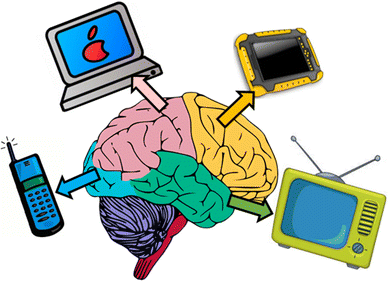
Problems in the brain due to multitasking
Multitasking has become common in today’s fast-paced life, but it can have a negative impact on our brain and mental health.
Trying to recognize the trap of multitasking. This is the first and most important step — until we become aware of when and how we are multitasking, it is difficult to stop. Below are some of the major problems caused by multitasking:
Reduced Focus
When you multitask, your brain switches from one task to another repeatedly. This makes it difficult to focus and reduces the quality of each task.
Memory Problems
Multitasking puts a strain on your working memory (short-term memory), causing you to forget things quickly or not be able to remember information properly.
Poor Decision Making
Constantly being involved in different tasks makes the decision making process slower and less effective.
Stress & Mental Fatigue
Multitasking puts a lot of pressure on the brain, which leads to stress, irritability, and mental fatigue.
Decreased Productivity
People think that multitasking will get more work done, but research shows that it reduces productivity and takes more time to complete work.
Long-term Effects
Constant multitasking can have a negative impact on the structure and functioning of the brain, permanently affecting the ability to focus. That is why people do not recognize them in time. Below are the effects in detail:
Reduced Attention Span – By repeatedly switching from one task to another, the brain gradually becomes unable to focus on one thing for a long time.
This becomes a habit, making it difficult to do deep thinking.
Reduced Work Quality – Doing multiple tasks at the same time does not allow for depth in any of the tasks.
This leads to mistakes, repetition and a decline in creativity in professional life.
What does scientific research say?
A Stanford University study found that people who frequently multitask have a decreased ability to process information.
People who multitask are more affected by distractions.
What can be done?
Do one thing at a time (adopt single-tasking)
Use time blocking techniques
Limit phone and notifications
Practice mindfulness and meditation
Recognize the trap of multitasking
1 day, notice when you multitask (like checking your email while talking on the phone).
Make a to-do list — prioritized.
Try time-blocking
Divide the day into 1–2 hour “focus blocks”.
Do only one task in each block, note down everything else but do it later.
Example: 9–11 a.m. — Report writing only (phone off, notifications off)
Stop digital distraction
Put your phone on silent or DND mode for 1 hour.
Set a fixed time for social media/email.
Mobile phones, social media, notifications, emails, YouTube etc. which distract our attention.
These break the continuity of attention and reduce the quality of work.
Their negative effects: Attention breaks frequently. , Productivity decreases. , Mental fatigue and irritability increases. , Concentration decreases, memory is affected
Start a mindfulness practice
Do 5–10 minutes of meditation or deep breathing at the beginning of the day.
This improves concentration and calms the mind
Complete one task and then start another
Make a list of unfinished tasks.
Complete tasks one by one and tick them off (you will love the satisfaction of being done!)
Create a ‘No Multi-tasking’ zone
Decide a place in the home or office where you will do just one task.
This place becomes your “focus zone”.
Reflection and Adjustment
Write down your week’s experiences:
What worked?
What was challenging?
What could be improved?
Customize this plan a little for next week.
Bonus Tips:
Try the Pomodoro Technique (25 minutes focus + 5 minutes break).
Have an “accountability partner” to track you.
Frequently ask yourself: “Am I focusing on one thing right now?
Note:- What is your opinion about “Problems in the mind due to multitasking?” Please tell us in the comment box below. Your opinion is very important to us.